
Poor Reading: A Deep Dive
The effects of eye tracking skill building and digital games
Why computer-based strategies work
Digital eye tracking interventions are effective because they leverage our brains’ ability to adapt and learn with practice. Key reasons these strategies yield improvements are:
Harnessing neuroplasticity to build new skills
Repetitive targeted exercises actually rewire neural pathways in the brain. Vision therapy games strengthen the connection between the eyes and brain through repeated practice. This is neuroplasticity in action: the brain areas controlling eye movements reorganize to become more efficient. As a result, the child develops better control of eye muscles and more accurate tracking. Notably, these improvements aren’t just short-term – with enough practice, they represent lasting changes in how the visual system operates.
Visual attention and cognitive processing improvements
Eye tracking training doesn’t only train the eyes; it also trains the brain’s attention to visual information. One study of reading-disabled students showed that oculomotor (eye movement) training led to significant gains in reading comprehension, on par with traditional reading tutoring. The researchers concluded that enhanced visual attention was a major mechanism for this improvement. In essence, as students practice focusing on moving targets and keeping their place, they learn to filter out distractions and lock their attention on the task. This carries over to the classroom – children become less likely to lose focus when reading or writing because their brains are used to maintaining attention on visual tasks.
Instant feedback and motivation
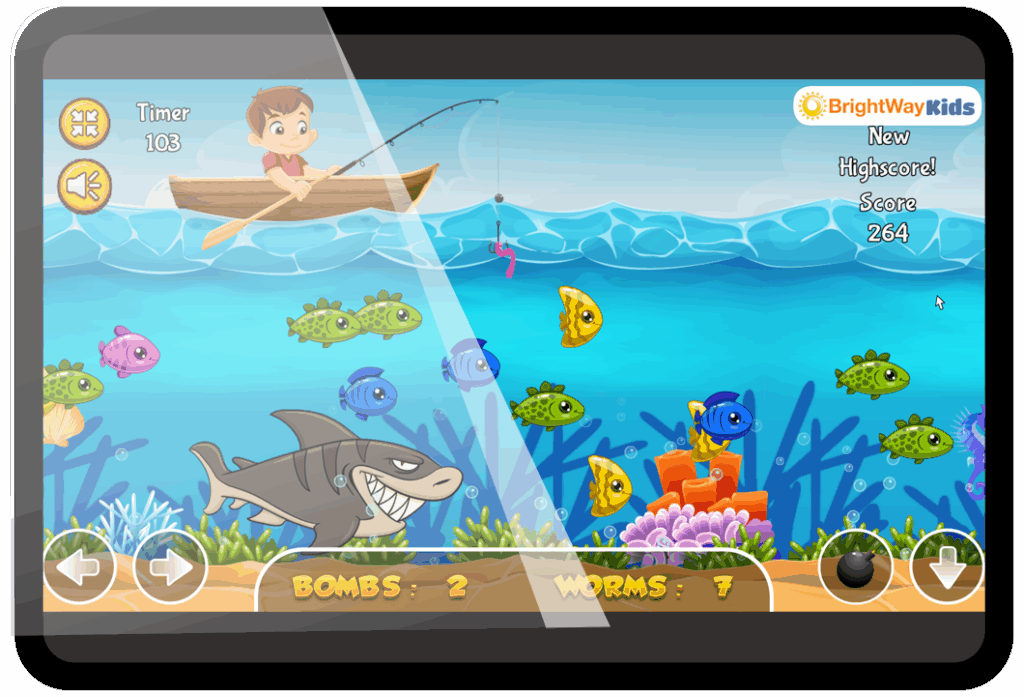
Computer interventions often include immediate feedback – points, scores, visual or auditory cues – that let the user know how they’re doing. This real-time feedback reinforces correct eye movements and quickly flags mistakes, which helps the brain adjust and learn more efficiently. For example, if a child’s eyes jump incorrectly in a game, they might miss a target and the game will indicate that. The interactive, game-like nature of these programs also keeps children engaged (rather than feeling like they’re doing a tedious drill). By making the training enjoyable, these tools ensure enough repetitions for learning to truly take hold. The reduction of stress and boredom means the child puts in more effort and time, which accelerates improvement.
Real world improvements
Perhaps most importantly, the skills gained from these digital exercises generalize to everyday academic tasks. As eye movements become smoother and more accurate, the child starts reading with fewer errors and less effort. For instance, after training, a student’s eyes may move in a more coordinated way, resulting in faster reading speeds and less fatigue. Clinical research on eye-movement training has documented outcomes like improved reading fluency and reduced symptoms of eye strain. Students also tend to experience better handwriting and copying skills as their strengthened eye-hand coordination kicks in. In short, computer-based tracking exercises treat the root causes – when the eyes track well, the downstream effects are improved reading comprehension, attention, and writing performance. Parents and teachers often notice these broader gains after a child undergoes vision therapy or uses programs like BrightWay Kids.
Next up: Eye tracking through offline and physical activities
Explore how movement-based activities can improve eye tracking.
While digital games are helpful, offline activities and physical exercises can also boost eye tracking. In the next post, we’ll dive into how simple, engaging activities away from screens can help improve visual coordination and support overall learning.