
Why readers struggle
Why do some children learn reading skills easily while others struggle?
Learn about the symptoms, causes, and and what you and your child can do to overcome reader challenges.

Is your child struggling with reading?
Recognize the signs
If reading feels unusually hard for your child—if they avoid it, guess at words, skip lines, or tire quickly—there may be an underlying issue affecting how their brain is processing visual or language information. At BrightWay Kids, we help parents uncover why reading feels hard and guide them toward proven, developmentally appropriate solutions.

Academic signs
- Difficulty decoding words
- Slow or labored reading
- Spelling difficulties
- Reading avoidance
Physical signs
- Headaches
- Frustration
- Eye fatigue
- Poor posture when reading
Recognize the signs your child might be struggling
Learn about the root causes and lead to reading difficulties
A guide to visual processing and why it matters
How BrightWay Kids improves reading mastery
An overview of poor reading skills
Poor reading skills refer to difficulties in reading text accurately and fluently. These challenges can severely limit a child’s educational progress and self-esteem. Struggling readers often fall behind in all subjects, since reading is fundamental to learning. Research shows that lacking strong reading abilities can hinder success in school and even increase the risk of dropping out of school.
What causes poor reading skills?
Reading is a foundational skill for academic success, yet many children struggle with decoding, fluency, and comprehension due to underlying challenges.
At BrightWay Kids, we look at the whole child–including how their brain processes information–to get to the root of reading struggles.
A therapeutic gaming platform like BrightWay Kids is uniquely designed to address poor reading skills by targeting the root causes while making the learning process engaging and effective.
Open the door to adventure and fun
Subscribe and get anytime access to this reading mastery platform. A BrightWay Kids Unlimited Reading monthly subscription is $79.99.
Start or stop anytime.

THE DEEPER ISSUES ASSOCIATED WITH READING STRUGGLES
Undiagnosed Visual Processing Issues
Undiagnosed or untreated visual processing issues are often a significant yet overlooked, factor underlying many causes of poor reading skills. Visual processing refers to how the brain interprets and organizes the information received from the eyes. It is not just about seeing clearly but also about understanding, remembering, and using visual input effectively. When visual processing is impaired, it can create a ripple effect, compounding or mimicking challenges like phonological awareness deficits, attention difficulties, or language delays, often leading to misdiagnoses or ineffective interventions.
For instance, a child with weak visual discrimination may struggle to differentiate between similar-looking letters like “b” and “d” or words such as “was” and “saw,” creating additional hurdles in phonics and decoding. Poor visual tracking skills, which affect the ability to move the eyes smoothly across lines of text, can disrupt reading flow and comprehension, causing the child to lose their place or reread lines unnecessarily. This can appear as inattentiveness or lack of focus, often misinterpreted as ADD/ADHD. Furthermore, deficits in visual memory can impair a child’s ability to recall sight words, letter patterns, or even previously learned vocabulary, slowing their reading fluency and making the process feel labor-intensive and discouraging.
Phonolgical
Related symptoms
Struggles to decode words or break them into sounds
Challenges with spelling and recognizing sight words
Phonological awareness is the foundation of reading, as it involves recognizing and manipulating the individual sounds (phonemes) within words. Children with these deficits may struggle to connect the sounds they hear with the corresponding letters on a page. This makes decoding words and learning new vocabulary particularly challenging. For example, a child may not recognize that the word “cat” consists of three distinct sounds: /k/, /a/, and /t/. Without this ability, spelling becomes inconsistent. The child may have difficulty remembering sight words that don’t follow standard phonetic rules. Over time, these challenges compound, slowing reading fluency and comprehension.
Visual processing skills and phonemic awareness
Visual processing skills and phonemic awareness are closely connected because both are essential for decoding and understanding written language. While phonemic awareness focuses on recognizing and manipulating sounds, visual processing skills enable the brain to interpret and organize the letters that represent these sounds. If a child struggles with visual discrimination (identifying differences between letters like “b” and “d”) or visual memory (recalling the shapes of letters and words), they may have difficulty linking letters to their corresponding sounds. This disruption in the letter-sound connection can hinder their ability to decode words and develop strong phonemic awareness. Additionally, poor visual tracking skills, which affect the ability to move the eyes smoothly across a line of text, may make it harder for children to follow patterns in words and sounds, further impeding their phonemic development. Strengthening visual processing skills can provide critical support for building phonemic awareness and overall reading proficiency.
BrightWay Kids Activities
Rhyming Games
Help children identify and generate rhyming words, enhancing their ability to recognize sound patterns.

Peripheral Skill Building
Why It Helps
Practicing rhyming-word discrimination while maintaining central fixation builds sound-pattern recognition used when scanning text and comparing word endings—supports decoding and sight-word learning.
Description
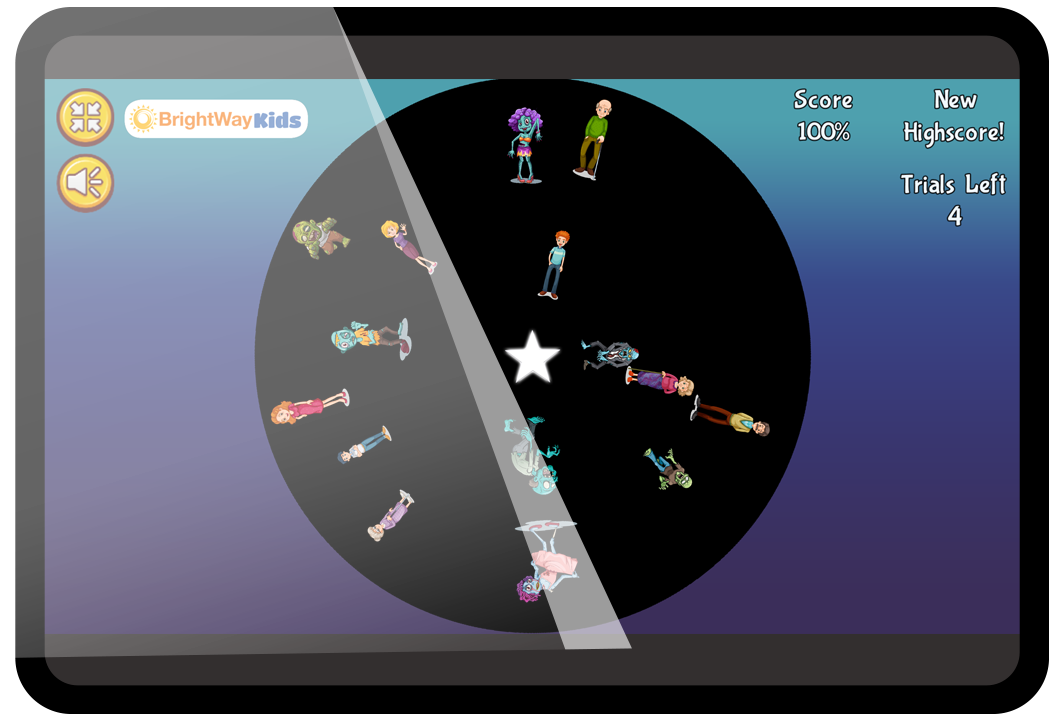
Keep your eye on the center target. You will be creating rhyming words—follow the round instructions in the bottom-left of the screen to see the current rhyming prompt
Rapid Word Building
Practice matching spoken sounds or prompts to letter sequences, strengthening phoneme→grapheme mapping, decoding, and spelling automaticity.
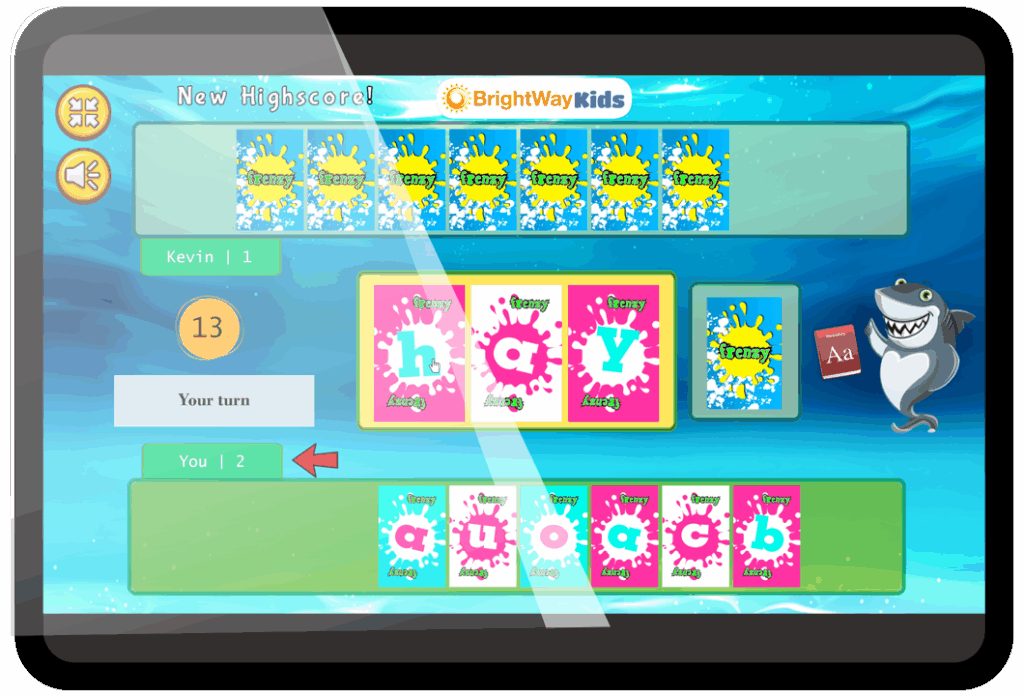
Frenzy Card Game
Why It Helps
Promotes active decoding and letter sequencing in a real-word context, strengthens spelling strategies, and builds automaticity for mapping sounds to letters under increasingly game-like pressure.
Description
Each player is dealt 8 cards (shown at the bottom) and takes turns using one card to form a new word; if you can’t, draw cards.
Syllable Segmentation Exercises
Encourage breaking down words into syllables, aiding in decoding and spelling.
Spelling by Shape
Why It Helps
Trains the ability to split words into syllable chunks and reassemble them in order. This directly supports decoding, spelling, and working memory for multisyllabic words.
Description
Unscramble the syllables to create a word. Then drag and drop each syllable into the word box that matches the shape of the whole word.
Visual processing
Related symptoms
Frequent misreading or skipping words
Trouble distinguishing similar letters or recognizing patterns in text
Poor handwriting or disorganized written work
Visual processing is not solely about eyesight, but rather about how the brain interprets and organizes visual information. For children with visual processing challenges, letters and words may appear jumbled or difficult to distinguish, leading to frequent errors, such as confusing “b” with “d” or “p” with “q.” These children may also struggle to recognize familiar patterns, such as sight words, which can slow their reading fluency. Additionally, weak visual memory may make it hard for them to recall words or retain information they’ve read. These difficulties can extend to writing tasks, where the disorganization of letters and spacing becomes evident.
BrightWay Kids Activities
Visual Discrimination Games
Develop the ability to identify differences and similarities between letters and shapes.
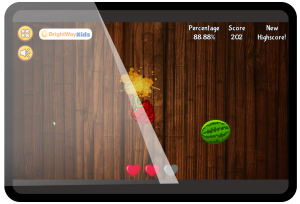
Kung Fu Fruit
Why It Helps
Trains rapid visual selection, sustained attention, and hand–eye timing — improving quick, precise visual decisions needed to track words and avoid skipping while reading.
Description
Hold down the right-hand button on your mouse or use the touchscreen to cut the fruit. Avoid the bombs or you will lose points! Earn extra points for cutting multiple pieces of fruit at the same time.
Pattern Recognition Tasks
Strengthen the ability to recognize word patterns, a critical skill for fluent reading.
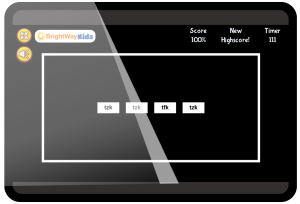
Outlier
Why It Helps
Strengthens the ability to recognize patterns and irregularities in text, supporting fluent word recognition.
Description
Watch the targets on your screen closely and click or tap on the one that is different from the others.
Memory Matching Exercises
Enhance visual memory to support sight word recognition and retention.
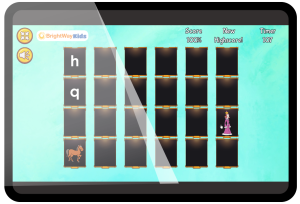
Memory Plus
Why It Helps
Builds visual memory for word shapes and sight-word recall, enabling learners to recognize and retain words more quickly.
Description
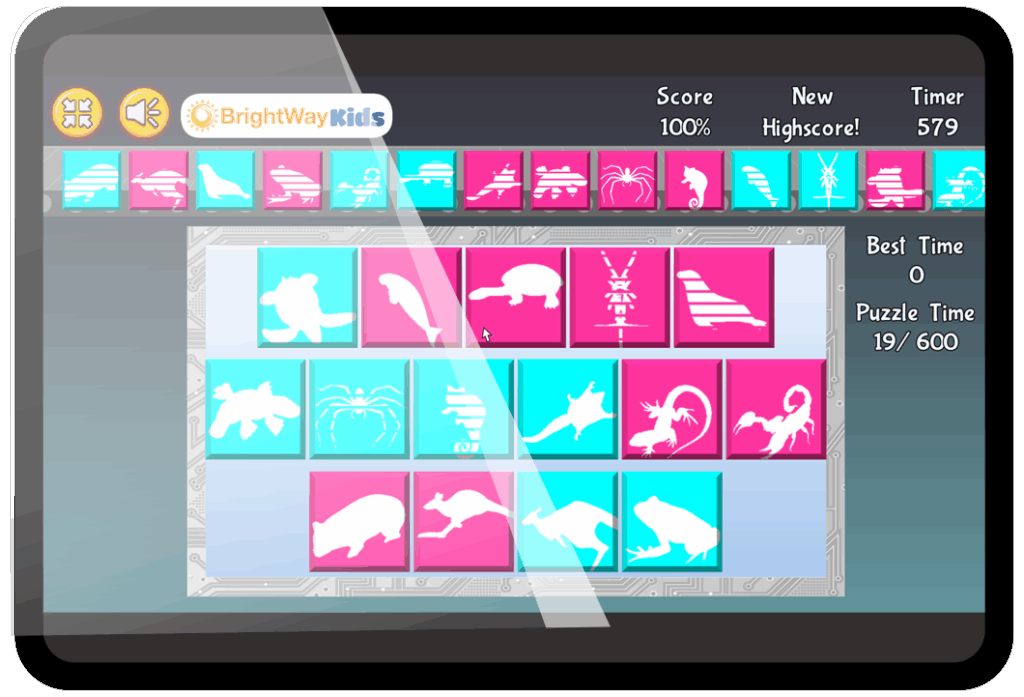
Look at the overturned images and try to remember the location of each pair. Once the cards are flipped over, start the game by clicking or tapping on a card. Then, try to find another card with the same image as the first. If you can’t find a pair, the cards will be flipped back face down.
Eye tracking
Related symptoms
Losing place frequently while reading
Skipping lines or rereading the same text
Complaints of eye strain or fatigue
Eye tracking refers to the ability of the eyes to move smoothly and accurately across a line of text. This skill is essential for reading fluency, as it allows children to follow the flow of words without skipping or repeating lines.
Children with eye tracking difficulties may rely on using a finger to guide their eyes or frequently pause to refocus. These interruptions make reading exhausting and significantly impact comprehension because so much energy is spent on the mechanics of reading rather than understanding the content.
The connection between visual Processing skills and eye tracking issues
Visual processing skills and eye tracking are intrinsically connected, as both are essential for efficient and accurate reading, writing, and comprehension. Eye tracking refers to the ability to move the eyes smoothly across a line of text or follow a moving object, while visual processing involves interpreting and organizing the visual input received during those movements. Weak visual processing skills can impair eye tracking, leading to difficulties in maintaining focus, skipping lines, or losing one’s place while reading. For example, poor visual discrimination can make it challenging to identify and differentiate letters and words, compounding the effort needed to track text accurately. Similarly, weak visual memory can disrupt the brain’s ability to anticipate and process upcoming words, making tracking laborious and fragmented. Addressing visual processing deficits not only improves how the brain interprets visual information but also enhances the coordination required for effective eye tracking, resulting in more seamless and less tiring visual tasks.
BrightWay Kids Activities
Tracking Exercises
Encourage following moving objects on the screen, improving the ability to track lines of text.
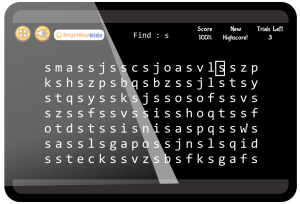
Tracking Suite
Why It Helps
Trains consistent target detection and paced tracking across a grid, improving the ability to follow lines of text and reducing skips or repeated lines.
Description
Look at the target on the upper-left side of your screen. Then, each time you see the target in the grid, tap your space bar.
Line Matching Tasks
Help children practice aligning sequences, enhancing control over eye movements.
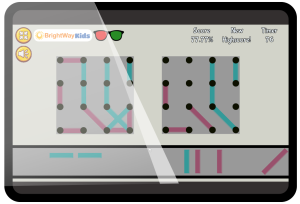
Grid Matching
Why It Helps
Reinforces alignment and sequencing skills needed to keep place on a line and maintain column/spacing accuracy while reading and writing.
Description
Take lines from the conveyor belt and place them on the blank grid so that it matches the completed grid. You do not have to match the colors.
Pursuit Activities
Focus on smooth movements to aid in seamless reading.
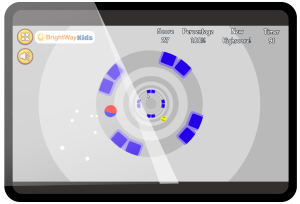
Tunnel Ball
Why It Helps
Builds smooth pursuit control and continuous eye–hand tracking so the eyes can glide along text with less fatigue and fewer refocusing pauses.
Description
Use your finger or mouse to guide the ball through the tunnel without touching the sides. You can do this by touching the ball or by clicking or tapping on the area where you would like to direct the ball. Collect coins for extra points.
Auditory processing
Related symptoms
Difficulty following verbal instructions
Struggles with phonics or connecting sounds to letters
Slow progress in reading fluency
Auditory processing disorders (APD) affect how the brain interprets sounds, even when hearing ability is normal. For children with APD, distinguishing between similar sounds can be challenging, leading to errors in phonics and decoding. For example, they might confuse “bat” with “pat” or “cat,” which can result in frequent reading errors. Additionally, APD can make it difficult for children to follow verbal instructions, further complicating classroom learning. These challenges slow reading fluency and make it difficult to grasp new concepts tied to spoken and written language.
Connection between visual processing skills and auditory processing disorder (APD)
Visual processing skills and auditory processing disorder (APD) are interconnected, as both involve the brain’s ability to interpret and integrate sensory information.
Children with APD often struggle to process and distinguish sounds, but when visual processing skills are also weak, these challenges can be compounded. For instance, difficulty matching visual cues, such as letters or words, with their corresponding sounds can hinder phonics and reading development. Poor visual tracking can disrupt the ability to follow along with spoken instructions or read text aloud, as the child may lose their place or skip words.
Additionally, challenges in integrating visual and auditory information can affect the child’s ability to connect what they hear with what they see, leading to confusion and slower learning. Strengthening visual processing skills, such as discrimination and memory, can help bridge the gap between these two sensory modalities, enhancing overall comprehension and academic performance.
Auditory Sequencing Tasks
Reinforce auditory memory by recalling sequences of sounds or words.
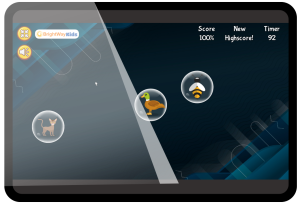
Auditory Matching
Why It Helps
Trains fine-grained sound discrimination and the ability to map sounds to visual symbols — foundational for accurate phonics and decoding.
Description
Listen to the sounds, then click on the images that match the sounds in the same order that you heard them.
Sound Discrimination Activities
Help children distinguish between similar sounds, improving phonemic awareness.
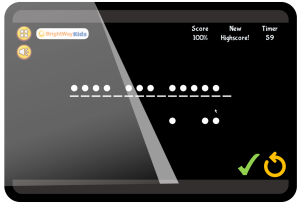
Audio-Visual Integration
Why It Helps
Trains fine-grained sound discrimination and the ability to map sounds to visual symbols — foundational for accurate phonics and decoding.
Description
While on the first screen, memorize the pattern you hear (and/or see), then on the second screen, click/tap or drag to reproduce the pattern in written form.
Phonics-based Exercises
Strengthen the relationship between sounds and their corresponding letters.
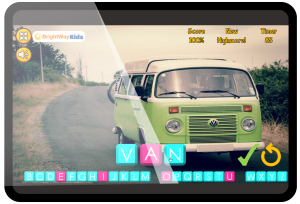
Word Builder-CVC
Why It Helps
Builds accurate phoneme→grapheme mapping and repeated practice assembling letters into words (CVCs), improving decoding, spelling, and early reading automaticity.
Description
Look at the picture, then find the letter or letters in the row below that are needed to spell the word correctly. Read the word out loud; when you are sure you have spelled the word correctly, click the green check mark.
Attention deficits
Related symptoms
Difficulty maintaining focus during reading tasks
Frequently distracted or zoning out
Rushed, incomplete, or careless work
Attention deficits can make it challenging for children to maintain focus on tasks that require mental effort, such as reading. They may skim text, skipping over details or misreading words, which can result in poor comprehension. Additionally, impulsivity may lead them to guess at words or answers without fully processing the content. These challenges not only impact reading fluency but also reduce confidence in their abilities, creating a cycle of frustration and avoidance.
The connection between visual processing skills and ADD/ADHD
Visual processing skills and ADD/ADHD are closely linked, as difficulties in processing visual information can amplify the challenges associated with attention deficits. Children with ADD/ADHD may struggle to focus on visual tasks like reading or writing, but weak visual processing skills—such as poor tracking or discrimination—can further exacerbate these issues. For example, a child with visual tracking difficulties might lose their place while reading, leading to frustration and a tendency to disengage.
Similarly, challenges in visual memory can make it harder to recall instructions or organize written work, which may be mistaken for inattentiveness. In addition, poor integration of visual and motor skills can lead to clumsiness or messy handwriting, which can further distract or discourage a child with ADD/ADHD. Enhancing visual processing skills can help reduce these barriers, improving focus, comprehension, and overall task engagement for children managing attention challenges.
BrightWay Kids Activties
Focus-building Games
Gradually increase attention span through engaging, structured tasks.
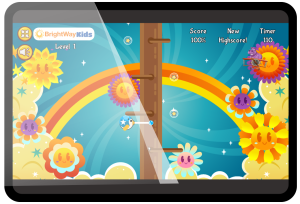
Sky Race
Why It Helps
Trains sustained divided attention, reaction timing, and distractor suppression so learners can maintain focus on text and resist zoning out in distracting environments.
Description
Tap the space bar to move the bird from one side of the post to the other to collect as many stars as possible while avoiding distractors.
Impulse Control Exercises
Encourage thoughtful responses and improve self-regulation.
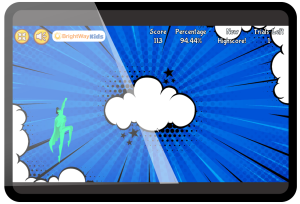
Stop/Go/Wait
Why It Helps
Trains response inhibition and selective attention—helps reduce impulsive guessing and improves controlled, deliberate responding during reading and classwork.
Description
Pay close attention to your screen and click or tap the target as follows: Green: Tap it. Red: Do not tap it. Yellow: Watch carefully to see if the target turns red or green and then click/tap as described above. For extra points, click on the star or lightning bolt before it disappears.
Task Completion Challenges
Promote persistence and attention to detail by rewarding completged tasks.
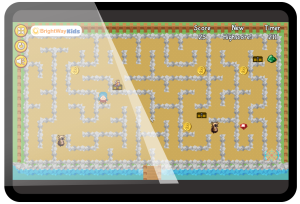
Maze Challenge
Why It Helps
Reinforces planning, sequencing, and persistence by requiring multi-step completion of goals before advancing — encourages careful problem-solving and task follow-through.
Description
Use the arrows on your keyboard or the touchscreen to move your player through the maze. Along the way, collect diamonds and coins while avoiding enemies, and collect each treasure chest to complete the maze. Once all coins, diamonds, and treasure chests are gathered, move your player to the target at the end of the maze.
Language delays
Related symptoms
Limited vocabulary
Difficulty understanding written grammar or constructing coherent sentences
Language delays often stem from limited exposure to language-rich environments or underlying developmental challenges. Children with language delays may struggle to decode words or understand their meaning within a context, resulting in poor comprehension. Grammar issues further complicate their ability to make sense of complex sentences, making reading an arduous process. These challenges often translate into difficulties with written expression, as the child lacks the vocabulary and grammar skills to articulate their thoughts effectively.
The connection between visual processing skills and language delays
Visual processing skills and language development are deeply interconnected, as both play critical roles in a child’s ability to communicate and understand the world around them. Children with language delays often rely on visual cues to interpret meaning, but if their visual processing skills are weak, it can hinder their ability to bridge the gap between visual and verbal information. For instance, poor visual discrimination can make it challenging to differentiate between letters, words, or symbols, slowing the acquisition of reading and vocabulary skills.
Visual memory difficulties may also impede a child’s ability to recall words or recognize patterns, which are essential for language development. Additionally, weak visual tracking skills can disrupt a child’s ability to follow along with text or connect written language to spoken words. Strengthening visual processing skills can provide critical support for children with language delays, enabling them to interpret visual input more effectively and establish a stronger foundation for language comprehension and expression.
BrightWay Kids Activities
Vocabulary-building games
Introduce and reinforce new words in engaging, meaningful contexts.
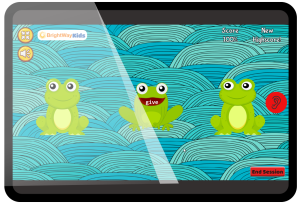
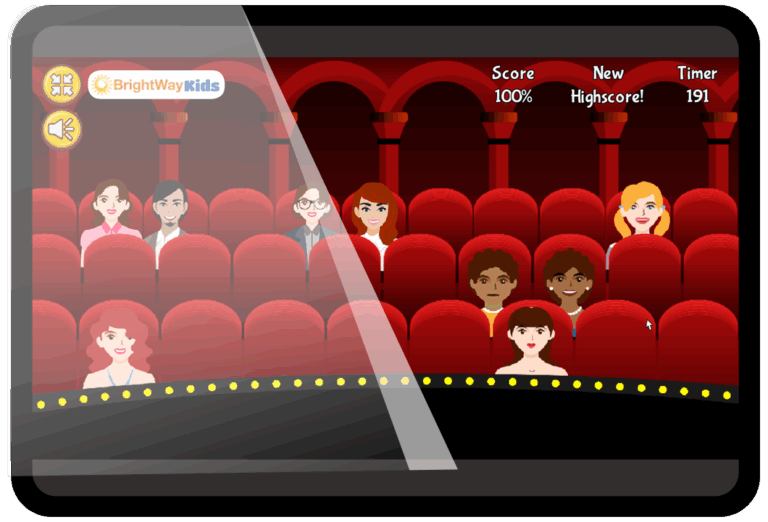
Sight Words
Why It Helps
Teaches high-frequency vocabulary in a combined auditory and visual context, allowing learners to build quick word recognition, link spoken words to printed forms, and expand their receptive vocabulary.
Description
Listen to the word, then find it in the scene.
Grammar Exercises
Focus on understanding and grammatical rules.
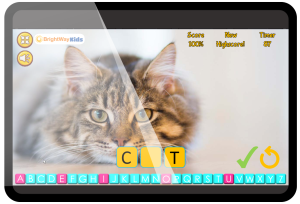
Word Builder
Why It Helps
Targets word-class recognition and production so learners practice grammar at the word level—supporting more precise sentence construction and written expression.
Description
Use the Word Builder grammar versions (Adjectives, Nouns, Verbs): identify or build the word form that matches the prompt (look at the picture then find the letter(s) needed to spell the word; read it aloud and click the green check mark when you are sure).
Story Sequencing Tasks
Help children arrange sentences or events in logical order, enhancing narrative comprehension.
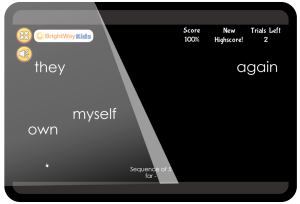
Auditory Sequencing
Why It Helps
Trains auditory comprehension, sequential memory, and mapping spoken narratives to visual order—improves narrative understanding, retell, and sentence-level comprehension.
Description
Listen to a short audio clip describing a sequence of events. Then arrange the images on the screen in the correct order to match what you heard.
Learning differences
Related symptoms
Persistent difficulty with decoding and spelling despite practice
Avoidance of reading tasks or visible frustration during reading
Slow, effortful reading with frequent loss of place.
The role of vision skills in learning differences
Some children experience language-based reading difficulties, as they struggle to map sounds to letters, form stable word representations, and retrieve words quickly and accurately. These challenges make reading slow and tiring, even when a child understands the content when read aloud. Despite their intelligence, these children often experience frustration and low confidence in their reading abilities.
Poor eye tracking and visual coordination can exacerbate reading struggles, causing frequent loss of place or skipping words and lines.
Additionally, weak visual memory may hinder a child’s ability to recall sight words or recognize familiar patterns in text. Addressing underlying vision skills such as tracking, coordination, and discrimination can significantly support reading development and reduce frustration for children managing this condition.
BrightWay Kids Activities
Orthographic recall Tasks
Brief-exposure + spelling practice to build whole-word representations and spelling automaticity.
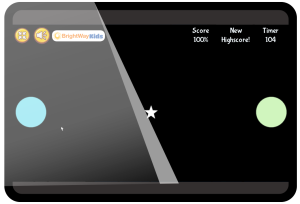
Saccadic Trainer-Spelling
Why It Helps
Combines rapid visual exposure with active orthographic recall so learners practice forming whole-word representations and improve spelling automaticity under brief-exposure / return-sweep conditions.
Description
A word briefly appears on the screen and then disappears; the player then spells the word from memory by typing or selecting letters. Word length and exposure time increase as performance improves.
Visual-motor control & handwriting
Guided tracing and controlled-stroke practice to improve letter formation, spacing, and written expression.
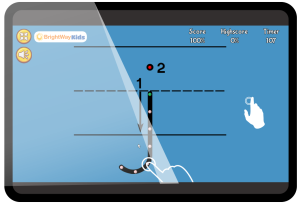
Trace It
Why It Helps
Improves fine-motor sequencing and controlled letter formation—supports neater handwriting and consistent spacing.
Description
Using your finger or a stylus, start at the green dot and trace until you reach the red dot. It is important to trace slowly and deliberately, and not miss any dots, or you will not be able to progress.
Return-sweep & rapid retrieval
Short-exposure and target drills to train fast, accurate eye jumps and reduce regressions.
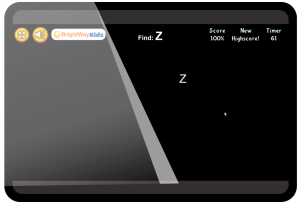
Speed Saccades 3 & Memory
Why It Helps
Trains fast, accurate target detection and return-sweep control so learners retrieve whole-word forms faster and reduce regressions while reading.
Description
Look at the target located at the top of your screen. Then, each time you see the target on the page, tap your space bar or the red bar at the bottom of your screen. (Memory version: count the number of times you see it and enter the number.)
Visual processing issues can also amplify the effects of other learning challenges. For example, a child with language delays may already find reading comprehension difficult due to limited vocabulary, but when coupled with poor visual processing, these difficulties can become overwhelming. Similarly, children with auditory processing disorders (APD) often rely on visual cues to support their understanding of sounds, and weak visual processing can remove this vital compensatory strategy.
When visual processing challenges remain undiagnosed or untreated, the root cause of a child’s reading struggles is often left unaddressed. This can result in interventions that focus on surface-level symptoms, such as tutoring or phonics drills, without addressing the foundational issue. As a result, progress may be slow or temporary, further frustrating both the child and their parents.
Identifying and treating visual processing issues early is critical for breaking this cycle. Strengthening skills like visual discrimination, memory, and tracking can enhance a child’s ability to decode, recognize, and comprehend text, setting them up for long-term reading success. By addressing these underlying deficits, children can build the confidence and skills they need to overcome reading challenges, unlocking their full potential in both academic and personal pursuits
A modern way to overcome reader struggles
Subscribe to BrightWay Kids and get anytime access with an internet-connected device. Your monthly unlimited subscription is $79.99. Start or stop anytime.
How BrightWay Kids can help your child thrive
Daily dose of therapeutic fun
At BrightWay Kids, we understand how challenging it is to watch your child struggle with reading. The frustration they feel—and that you experience alongside them—is a daily reminder of how important it is to find the right support. That’s why we’ve developed a therapeutic gaming platform designed to not only improve key academic and perceptual skills but also make the learning process enjoyable and rewarding for your child.
We understand your parent journey
We know the heartbreak of seeing your child feel defeated, of watching them avoid reading tasks because they associate them with failure. That’s why we’ve made it our mission to change that narrative. BrightWay Kids replaces frustration with excitement, turning learning into a positive experience for your child. As a parent, you’ll see the joy and pride they feel when they master new skills and overcome challenges.
GET STARTED TODAY
Introducing BrightWay Kids
BrightWay Kids Unlimited offers highly curated programs for struggling readers. Help your child focus on building core brain systems without the pain of drills. No setup. Fast to start. Cancel anytime.


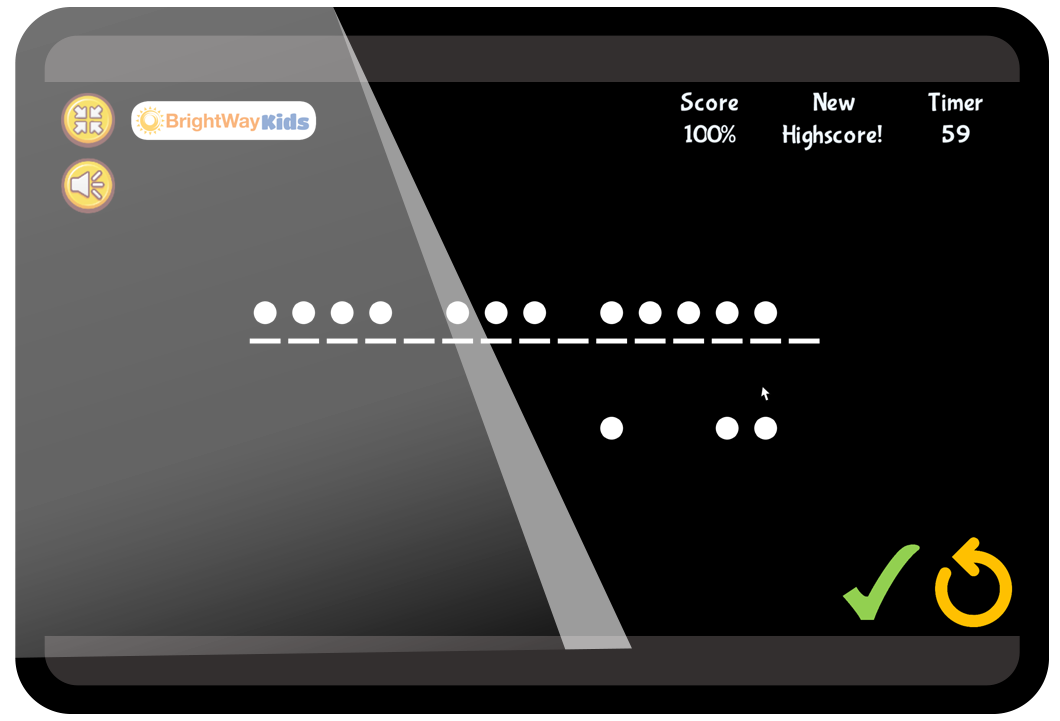
Targeted skill development
BrightWay Kids focuses on strengthening the core skills necessary for reading, such as phonological awareness, visual processing, and working memory. Activities are designed to improve decoding, word recognition, and comprehension in a structured, systematic way.
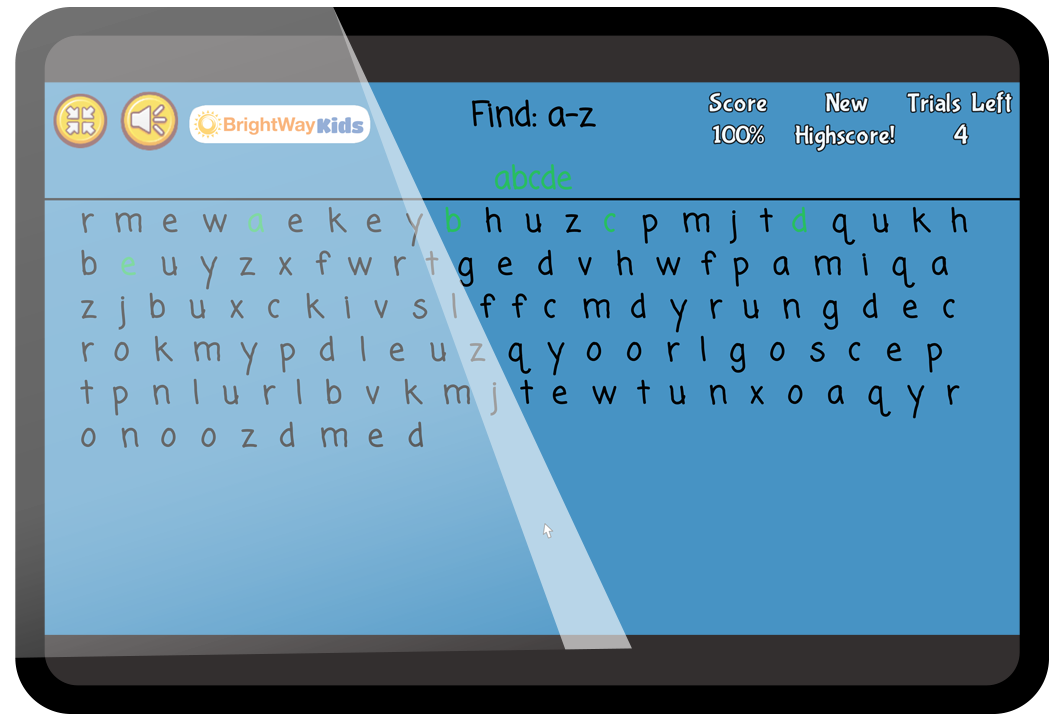
Instant feedback
Children receive instant feedback on their progress, helping them correct mistakes and build confidence. This real-time support ensures they can practice without fear of failure, fostering a positive association with reading.
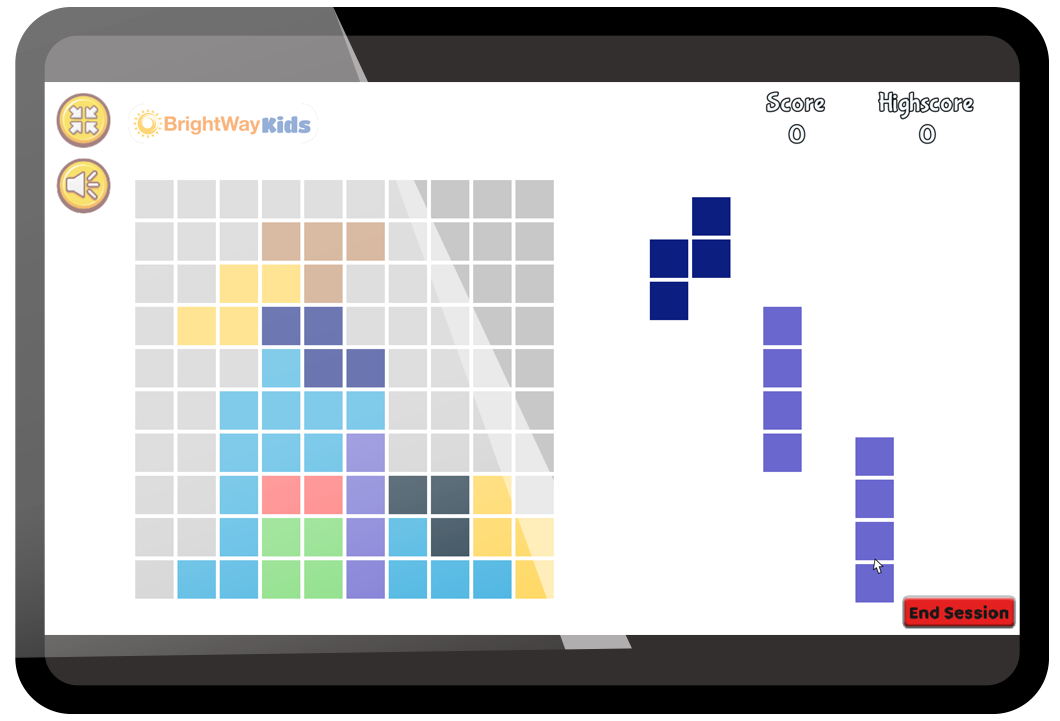
Multi-sensory approach
The platform combines visual, auditory, and tactile elements to enhance the reading experience. For example, children may match sounds to letters, trace words on the screen, or follow guided reading tasks that integrate multiple senses. This approach reinforces learning pathways and improves retention.

Strengthening skills
By addressing underlying challenges like weak phonological awareness, poor visual processing, or difficulty with tracking, the platform helps children build the essential skills they need to succeed in reading. These improvements translate to better fluency, comprehension, and overall literacy.
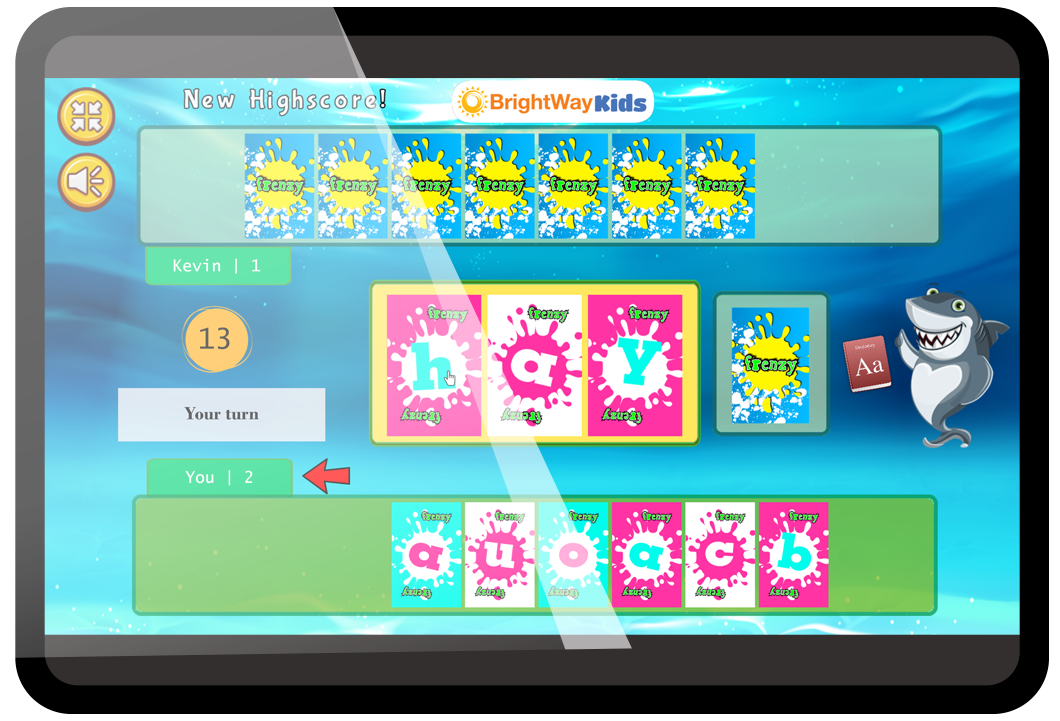
Progressive learning path
Games are tailored to each child’s skill level, starting with basic foundational tasks and gradually increasing in complexity. Early activities might focus on letter recognition and phonics, while advanced tasks build fluency and comprehension through reading stories or solving word-based puzzles.
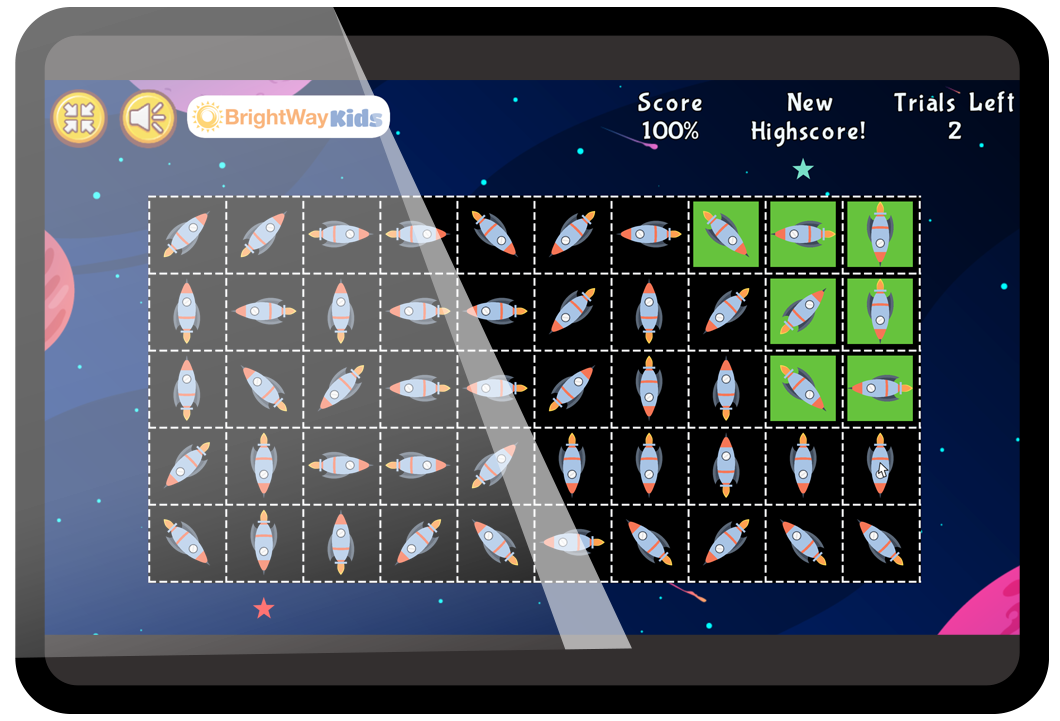
Parent & educator tools
The platform tracks progress and provides detailed insights for parents and educators. These tools allow caregivers to monitor improvements, identify areas needing more focus, and celebrate milestones along the way.
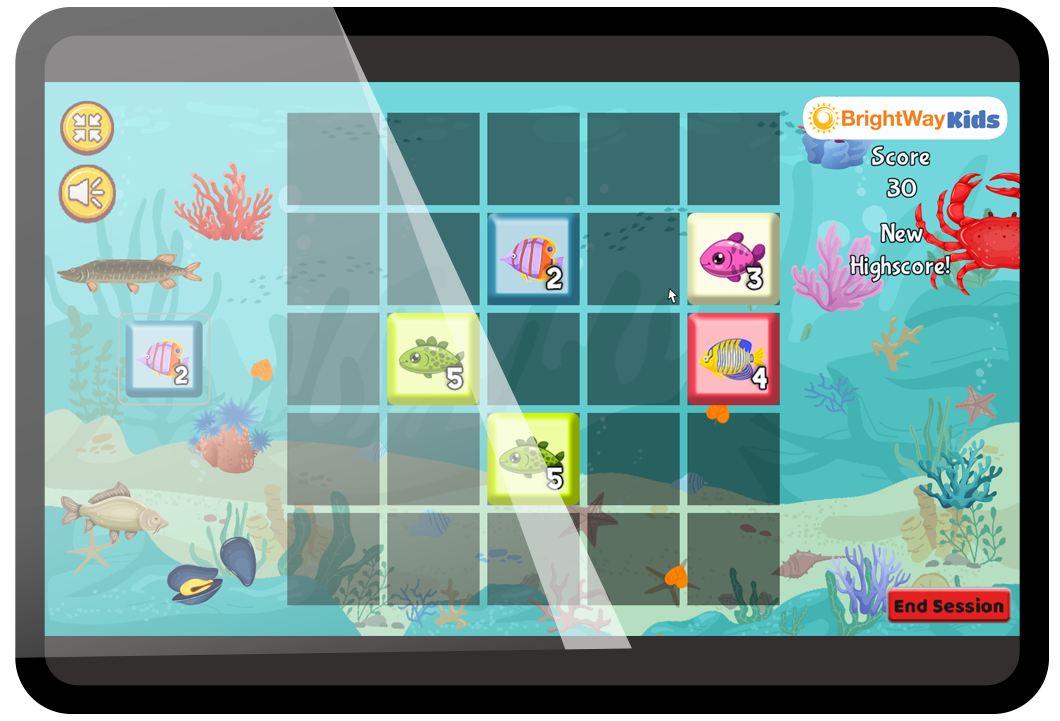
Engaging design
Reading exercises are transformed into interactive games that keep children excited and motivated to practice. Levels, rewards, and achievements encourage consistent engagement, which is critical for developing and maintaining reading skills.
Open the door to your child's future
Subscribe to BrightWay Kids and get anytime access with an online account. Your monthly unlimited subscription is $79.99. Start or stop anytime.
Additional research about poor reading
Causes of Poor Reading Skills
Poor reading isn’t always about laziness or lack of focus. This post explores the root causes behind reading struggles—from visual tracking issues to auditory delays—and how understanding the underlying challenge can unlock real progress.
How Dysgraphia Impacts Reading
Dysgraphia is more than just messy handwriting. It can interfere with reading, spelling, and written expression. This post breaks down the connection between writing challenges and poor reading skills.
Why Computer-Based Interventions Work
Some screen time can help! This post explains how targeted computer interventions build the brain’s capacity for reading by supporting processing skills—not just phonics or repetition.
Visual Processing in Handwriting & Expression
Visual processing affects more than just reading—it shows up in messy handwriting, reversed letters, and trouble copying from the board. Learn how visual skill development supports both writing and reading fluency.
Effective Online Activities for Struggling Readers
Struggling readers need more than just extra reading time. Explore simple online activities that strengthen the foundational brain skills behind reading—like tracking, memory, and sequencing.
BrightWay Kids is a foundational tool to build reading skills
Our therapist-guided platform provides deeply engaging, targeted activities for different learner needs. This holistic approach translates to better engagement and faster adoption to the world of reading.
BrightWay Kids isn’t a cure and it’s not a diagnosis. But it is real, science-backed support that fits into your daily life. Because when your child’s brain gets the right kind of practice, reading starts to feel easier. And even fun.