
Poor Reading: A Deep Dive
Effective computer intervention strategies for dyscalculia
Digital games for dyscalculia
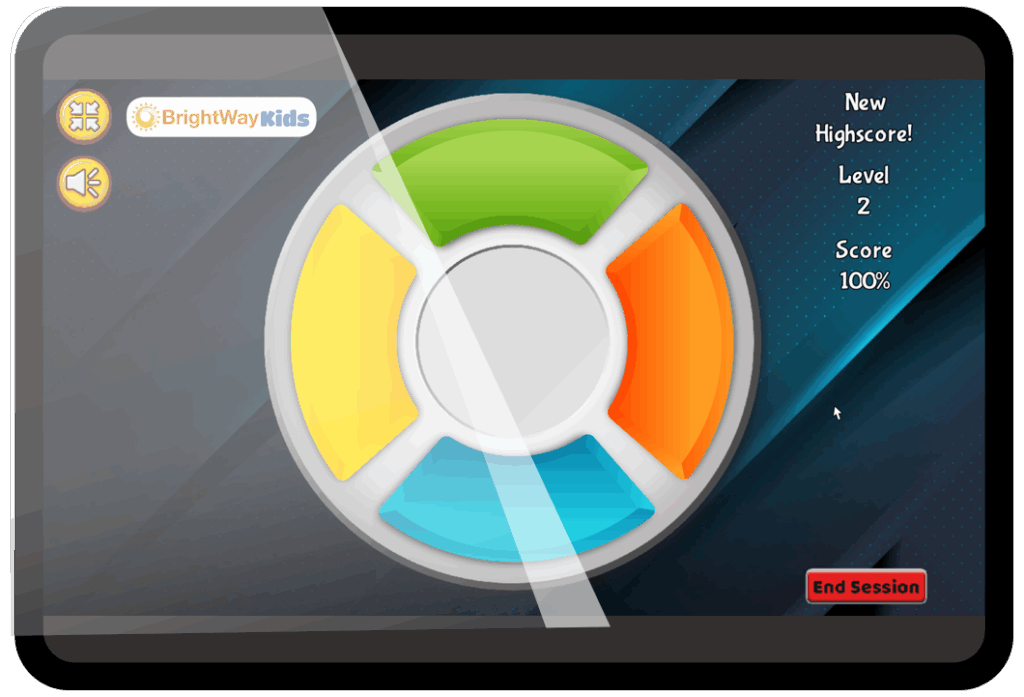
Digital interventions have opened up new avenues for helping children with dyscalculia, especially by leveraging strengths in visual learning. BrightWay Kids is an example of a program that uses computer-based activities to address learning challenges through visual cognition. The most effective strategies used in such interventions include:
Adaptive number-sense training games
One proven approach is using adaptive software that builds foundational number skills in a game-like format. For example, programs present exercises in magnitude comparison, subitizing (quick quantity recognition), and number-line estimation as interactive games. A child might see two groups of dots and click the larger group – a simple task that trains the intuitive sense of “more vs. less.” Or they might play a game of placing numbers on a blank number line, receiving feedback on accuracy. Research-based games like The Number Race or Number Line training have shown that practicing these core skills can significantly improve children’s basic numerical abilities. BrightWay Kids employs similar games, adjusting difficulty in real-time: if a child struggles with comparing 8 vs 3, the game might simplify to 5 vs 1 until the concept strengthens, then gradually increase the challenge. This individualized pacing ensures that the child is always training at the edge of their ability, which maximizes growth.
Visually rich, structured activities
Emphasizing our “visual brain” means presenting math in visual, often spatial, formats rather than as rote abstract symbols. Effective interventions use visual models and feedback extensively. For instance, an activity may show an equation like 7 + 5 = ? and illustrate it with 7 apples and 5 apples merging to prompt the answer, engaging the learner’s visual reasoning. Many programs also include visual scaffolds such as color-coding (each place value in a number a different color), or using visual animations to demonstrate carrying/borrowing in subtraction. These strategies leverage the idea that dyscalculic learners often think in a more visual and intuitive way, so presenting math visually can bypass some of their verbal-symbolic difficulties. BrightWay Kids’s games often use appealing graphics and animations – e.g. a game where correct answers piece together parts of a picture, or a puzzle that visually represents a math problem. This not only makes learning engaging but also ties math concepts to visual patterns or stories, which can improve understanding and recall.
Combined congitive skill training
Uniquely, visual computer programs can train not just math content but also underlying cognitive skills like memory and attention in tandem with math. For example, an intervention might include a visual memory game with numbers (to practice holding numbers in mind), or a speed-based game that rewards quick identification of correct answers (training processing speed and reducing impulsive errors). By interweaving these with math tasks, the child develops broader skills that support math learning. BrightWay Kids focuses on strengthening visual cognition holistically – some activities might resemble classic vision therapy or brain-training games (like finding and matching shapes, or tracking moving objects on screen), which in turn can improve the visual tracking and discrimination needed for math and reading. This emphasis on the “visual brain” acknowledges that enhancing general visual processing and working memory can indirectly alleviate dyscalculia symptoms. Notably, a study on a similar visual-cognitive training program found it improved children’s arithmetic performance and number sense, especially in those without high math anxiety.
Multi-sensory and interactive engagement
While on a computer, learning can still be multi-sensory – effective programs incorporate sound, touch (for touch-screen interfaces), and even game narratives to keep the child engaged. For example, a program might say the numbers out loud (linking visual symbols to auditory input) or use catchy sound effects for correct answers, reinforcing learning through multiple channels. The interactive nature of computer games – dragging objects, clicking, receiving instant feedback – provides a hands-on element in a virtual environment. This is crucial for dyscalculic learners who benefit from immediate feedback and repetition. If a child answers incorrectly, the software can instantly highlight the error and perhaps show a visual cue to guide them to the correct answer. This trial-and-error learning in a safe setting helps solidify skills. BrightWay Kids emphasizes this with games that give positive reinforcement (points, badges, progress animations) to motivate persistence. The computer format also allows for intensive practice (hundreds of trials if needed) without the boredom of a worksheet – variety in game scenarios keeps practice interesting. Many effective programs, including BrightWay Kids, are designed in consultation with neuroscientists and educators, ensuring the content aligns with how the brain develops number skills. For instance, they might train a progression from concrete visual counting, to semi-concrete (like number lines or groups of dots), to abstract symbols – mirroring the natural developmental pathway of numeric understanding.
Summary
In summary, computer-based strategies that work well are those that target the root deficits (like poor number sense or visual-spatial skills) through engaging, visually-driven exercises. They provide adaptive challenges, instant feedback, and high engagement, which are particularly effective for children who have struggled with traditional teaching. BrightWay Kids concentrates on these visual and cognitive aspects, making it a promising tool for dyscalculia intervention.
Next up: The science behind the screens
Why these games actually work
Not all screen time is created equal. Dive into the neuroscience and learning science behind why digital games can help kids with dyscalculia build real-world math skills.