

Poor reading: a deep dive
Gain insights into poor reading
Why early support matters
Reading text accurately and fluently may seem simple. However, if your child seems to be struggling at the level expected for their age or grade, it’s time to pause and dive into what poor reading means and what you can do about it. Early intervention is crucial – with timely support, many children can overcome reading difficulties and become confident, competent readers. Effective interventions not only improve academic outcomes but also bolster a child’s motivation and love of learning.
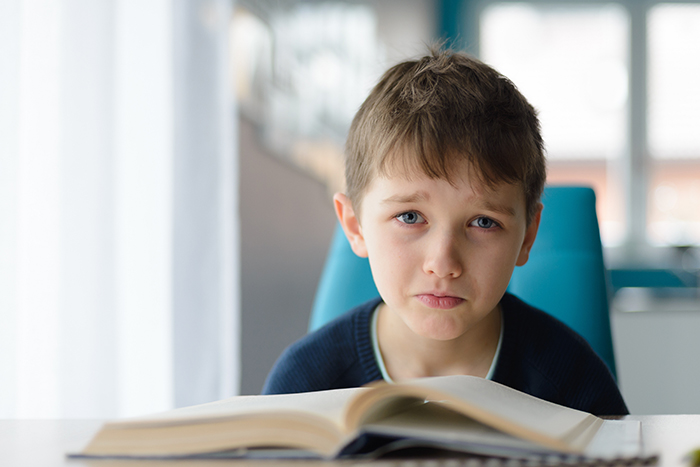
How is poor reading defined?
Poor reading skills are defined as an inability to read at the level expected for one’s age or grade. Scientifically, this often aligns with the profile of developmental dyslexia – a specific learning disorder characterized by poor word reading, weak decoding (phonics), and slow, effortful reading fluency.
In other words, a child with poor reading skills struggles to recognize written words and to translate printed letters into their corresponding sounds. These difficulties are not due to low intelligence or lack of opportunity, but rather stem from differences in how the brain processes written language. A key feature is that reading problems persist despite adequate instruction; the child’s reading remains below expectations given their overall cognitive ability and education.

How do I know if my child might be a struggling reader?
Children with poor reading skills exhibit several recognizable symptoms:
Slow, labored reading
They read haltingly, often one word at a time, and below the expected level for their age. They may track words with a finger and take an unusually long time to finish reading assignments.
Difficulty sounding out words
Decoding new or unfamiliar words is hard. The child cannot easily sound out the sequence of letters to pronounce a word. For example, they might guess “house” when seeing “horse,” because they aren’t decoding each letter.
Frequent errors and letter mix-ups
They may confuse letters and words that look alike. For instance, seeing “b” vs “d” or “was” vs “saw” can be challenging. Such visual confusions lead to misreading of words and affect spelling as well.
Poor spelling
Because reading and spelling share underlying skills, children with reading difficulties often struggle to spell words correctly. They might omit or swap letters when writing.
Low reading comprehension
Since so much mental effort goes into deciphering words, little capacity remains for understanding the content. The child may have trouble remembering or summarizing what they just read. They might understand a story when it’s read to them, but not when reading it themselves.
Avoidance and frustration
Reading can be a painful experience, so the child often tries to avoid it. They may act out, complain, or become anxious when asked to read. Over time, this can erode their confidence and interest in learning.
These symptoms can vary in severity. Some children primarily struggle with pronouncing words, while others read accurately but extremely slowly. It’s also common for poor reading skills to co-occur with writing difficulties (dysgraphia) or other learning issues, which we discuss next.
Next up: Causes of poor reading
Why Do Some Children Struggle with Reading?
Poor reading skills stem from a complex mix of neurological, cognitive, and environmental factors—there’s no single cause, but many interwoven challenges. From genetic influences and brain processing differences to memory deficits and lack of early literacy exposure, these factors shape a child’s reading development. How do they interact, and what can be done to support struggling readers? Read on to explore the key insights and solutions.